Tehran/Moscow (NYTODAY) — Iran and Russia have formalised a memorandum of understanding (MoU) valued at approximately $25 billion, aiming to significantly expand cooperation in the civilian nuclear energy sector. The agreement has attracted international attention due to its scale and potential geopolitical implications, reinforcing the deepening strategic alignment between the two nations.
The deal focuses on strengthening Iran’s nuclear energy infrastructure through joint development projects, technology transfer, and expansion of existing nuclear facilities. According to officials, the agreement is intended strictly for peaceful energy purposes, with an emphasis on electricity generation and long-term energy security.
A key component of the agreement includes the expansion of the Bushehr Nuclear Power Plant, Iran’s only operational nuclear power facility. The project is expected to significantly increase Iran’s electricity production capacity and reduce reliance on fossil fuels in the coming years.
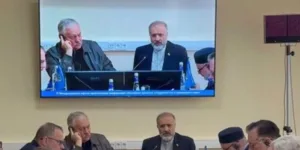
Iran’s ambassador to Russia, Kazem Jalali, stated during an online conference in Moscow that the cooperation includes multiple large-scale projects, with the “Hormuz nuclear initiative” being the most ambitious. Valued at $25 billion, the Hormuz project is designed to become Iran’s largest nuclear energy development effort to date. It will reportedly involve collaboration between Iran’s private sector and Russia’s state nuclear corporation, Rosatom.
The partnership also includes plans for small modular nuclear power plants, which are expected to provide flexible and decentralised energy solutions across Iran. Officials from both countries have expressed optimism that groundwork for these smaller projects will begin soon, marking a new phase in bilateral energy cooperation.
Beyond nuclear development, the agreement also highlights broader economic and strategic collaboration. Iran and Russia have reportedly discussed increasing Russian gas transit through Iran, improving transport infrastructure, and strengthening trade relations with Eurasian markets. These efforts are seen as part of a wider strategy to reduce dependency on Western economic systems and sanctions pressure.
Experts suggest that this deepening cooperation reflects a shift in global energy geopolitics. While both governments maintain that the partnership is peaceful and energy-focused, international observers have raised concerns about transparency, regional stability, and the dual-use nature of nuclear technology.
The timing of the agreement is also notable, as global energy markets continue to experience volatility and geopolitical tensions remain high. Analysts argue that closer Iran–Russia collaboration could reshape regional energy dynamics and influence global nuclear policy discussions.
Despite external concerns, officials from both countries insist that the agreement complies with international frameworks governing civilian nuclear energy development. They emphasise that the projects are designed to address domestic energy needs and promote technological advancement.
As implementation moves forward, the world will be closely watching how this $25 billion nuclear partnership develops and what it means for the balance of energy power in the Middle East and beyond.
FAQs
1. What is the Iran–Russia nuclear deal about?
It is a $25 billion agreement between Iran and Russia to expand cooperation in civilian nuclear energy development, including power plant expansion and new nuclear projects.
2. Which major projects are included in the deal?
The deal includes expansion of the Bushehr Nuclear Power Plant, the Hormuz nuclear project, and development of small modular nuclear power plants.
3. Who is building the nuclear infrastructure?
Iran is working in partnership with Russia’s state nuclear company Rosatom along with Iranian private sector participation.
4. Why is this deal controversial?
International concern stems from the scale of nuclear cooperation, regional tensions, and fears about potential dual-use nuclear technology applications.
5. Will this deal affect global energy markets?
Experts believe it could influence regional energy dynamics and strengthen Iran–Russia economic alignment, especially in energy and trade sectors.

