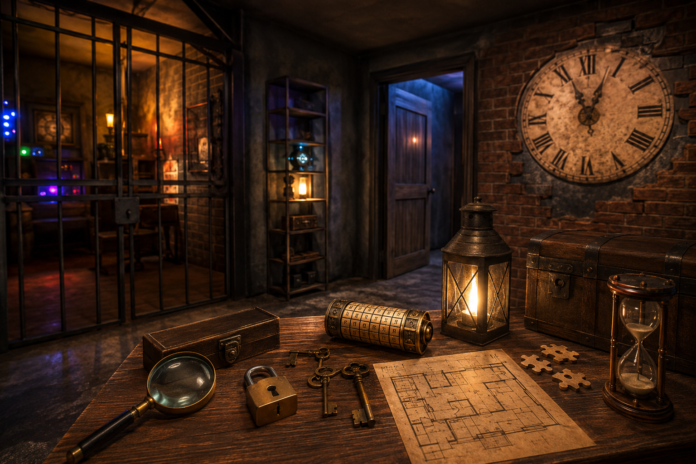
Introduction
The entertainment industry has evolved rapidly over the past decade, and immersive experiences have become more popular than ever. Among the fastest-growing attractions are escape rooms, which combine puzzles, storytelling, teamwork, and adventure into a unique experience. Whether people are celebrating birthdays, planning corporate team-building events, or simply looking for a fun weekend activity, escape rooms continue to attract a wide audience.
If you’re passionate about creativity, problem-solving, and entrepreneurship, opening an escape room can be a profitable venture. However, success requires much more than designing interesting puzzles. You need a solid business plan, market research, financial planning, and a clear understanding of customer expectations before launching your venue.
Many aspiring entrepreneurs search for escape room business how to start one because they want a step-by-step roadmap that simplifies the process. This guide provides everything beginners need to know, from researching the market to choosing the perfect location and creating a sustainable business model.
Unlike many traditional businesses, escape rooms rely heavily on customer experience. Positive reviews, engaging storylines, and high-quality game design often determine whether visitors recommend your business to friends and family. Since repeat customers usually want to try new rooms, continuous innovation also becomes an essential part of long-term success.
By carefully planning each stage of your business journey, you can build an entertainment venue that generates consistent revenue while providing memorable experiences for every guest.
Why Start an Escape Room Business?
Escape rooms have become one of the most exciting sectors in the entertainment industry. Their popularity continues to grow because they offer something different from movies, restaurants, or traditional gaming experiences.
Some of the biggest advantages include:
- High customer engagement
- Strong word-of-mouth marketing
- Corporate event opportunities
- Birthday party bookings
- Family entertainment
- Tourism attraction
- Repeat business with new room themes
Unlike many businesses that compete mainly on price, escape rooms compete through creativity and experience. Customers willingly pay premium prices for high-quality adventures that provide excitement and unforgettable memories.
The business also offers flexibility. You can start with one room and gradually expand into multiple themed rooms as your revenue grows.
Understanding the Escape Room Industry
Before investing your money, it’s important to understand how the industry works.
An escape room is a live-action game where players solve puzzles and complete challenges within a specific time limit—usually 60 minutes—to escape a themed room or accomplish a mission.
Popular themes include:
- Haunted houses
- Prison escapes
- Ancient temples
- Detective mysteries
- Zombie survival
- Space missions
- Secret laboratories
- Bank robberies
- Pirate adventures
- Magical kingdoms
Modern escape rooms often include:
- Electronic puzzles
- Hidden compartments
- Automated effects
- Sound systems
- Lighting effects
- Interactive props
- Motion sensors
Customers expect immersive storytelling rather than simple puzzle-solving. Therefore, investing in creativity often delivers better returns than focusing only on decorations.
Research Your Local Market
One of the biggest mistakes beginners make is opening an escape room without researching local demand.
Before signing a lease or buying equipment, analyze your market carefully.
Research the following:
Existing Competitors
Visit competing escape rooms and evaluate:
- Ticket prices
- Room quality
- Themes
- Difficulty levels
- Customer service
- Online reviews
- Booking systems
Identify what they do well and where they fall short.
Target Audience
Your potential customers may include:
- Families
- Students
- Teenagers
- Tourists
- Office teams
- Birthday groups
- Couples
- Friends
Understanding your audience helps you create experiences that appeal directly to them.
Local Demand
Ask questions like:
- Is your city growing?
- Are entertainment options limited?
- Do tourists visit regularly?
- Are companies looking for team-building activities?
Higher population density usually means greater business opportunities.
Create a Detailed Business Plan
Every successful business starts with a clear strategy.
Your business plan should include:
Executive Summary
Describe your business idea, mission, and long-term goals.
Market Analysis
Include:
- Local competitors
- Industry trends
- Customer demographics
- Growth opportunities
Financial Planning
Estimate:
- Startup costs
- Monthly expenses
- Expected revenue
- Break-even point
- Cash flow
Avoid underestimating expenses, as many new businesses face unexpected costs during their first year.
Marketing Strategy
Explain how you plan to attract customers through:
- Social media
- Google Business Profile
- Local advertising
- Partnerships
- Influencer marketing
- Online reviews
Growth Plan
Think beyond opening day.
Future expansion could include:
- New escape rooms
- VR experiences
- Mobile escape games
- Franchising
- Merchandise sales
- Membership programs
A well-prepared business plan also increases your chances of securing funding from investors or banks.
Estimate Startup Costs
Opening an escape room requires a moderate to significant investment depending on size and location.
Typical startup expenses include:
- Building lease
- Renovations
- Interior design
- Puzzle construction
- Technology
- Lighting systems
- Furniture
- Security cameras
- Insurance
- Business registration
- Website development
- Marketing campaigns
- Staff salaries
Many successful owners recommend having additional emergency funds to cover the first six months of operations.
Choose the Right Location
Location can make or break your business.
Look for areas with:
- High foot traffic
- Easy parking
- Public transportation access
- Nearby restaurants
- Shopping centers
- Entertainment districts
Customers often combine escape room visits with dining or shopping, making mixed-use commercial areas ideal.
Avoid hidden industrial locations unless they are already known entertainment hubs.
Building Requirements
Your building should have:
- Multiple rooms
- Emergency exits
- Waiting area
- Reception desk
- Storage space
- Restrooms
- Staff office
Safety should always come first. Every room must allow immediate exit in case of emergencies.
Lease Negotiation Tips
When negotiating a lease:
- Request renovation allowances.
- Secure long-term rental stability.
- Understand maintenance responsibilities.
- Review utility costs.
- Confirm zoning regulations.
A slightly higher rent in a premium location often generates significantly greater customer traffic than a cheaper but less visible property.
Choosing the right location is one of the most important decisions you’ll make when learning escape room business how to start one successfully. A strategic location combined with strong market research creates the foundation for long-term growth and profitability.
Designing Engaging Escape Rooms
The quality of your escape rooms will determine whether customers leave positive reviews, recommend your business to friends, and return to try new experiences. Instead of simply filling a room with random puzzles, create a complete adventure that immerses players in a compelling story from beginning to end.
Your rooms should have a clear objective, such as escaping from a haunted mansion, stealing a valuable artifact, solving a detective mystery, or preventing a disaster before time runs out. Every puzzle should support the storyline and make players feel like they are part of the adventure.
Create a Strong Theme
A memorable theme helps your escape room stand out from competitors.
Popular themes include:
- Haunted Hotel
- Secret Laboratory
- Egyptian Tomb
- Pirate Treasure Hunt
- Space Station
- Medieval Castle
- Prison Break
- Spy Mission
- Alien Invasion
- Zombie Apocalypse
Choose themes that appeal to your target audience while offering opportunities for creative puzzle design.
Design Puzzles for All Skill Levels
A successful escape room balances challenge with enjoyment.
Include different puzzle types such as:
- Hidden clues
- Number locks
- Pattern recognition
- Physical challenges
- Logic puzzles
- UV light clues
- Audio clues
- Magnetic puzzles
- Electronic switches
- Teamwork challenges
Avoid making every puzzle extremely difficult. Players should feel challenged but never frustrated.
Focus on Storytelling
Storytelling transforms a normal game into an unforgettable experience.
Every room should answer questions like:
- Why are players here?
- What mission must they complete?
- What happens if they fail?
- Who is the villain?
- What reward awaits success?
The better the story, the more immersive the experience becomes.
Purchase Equipment and Technology
Modern escape rooms rely on more than locks and keys.
Consider investing in:
- Automated doors
- RFID technology
- Motion sensors
- Smart lighting
- Surround sound
- Fog machines
- CCTV monitoring
- Control software
- Interactive props
- Digital timers
Technology increases excitement while allowing staff to monitor games efficiently.
Register Your Business
Before opening your doors, complete all legal requirements.
Depending on your country or state, you may need:
- Business registration
- Operating license
- Fire safety approval
- Liability insurance
- Occupancy permit
- Tax registration
- Employee insurance
Consult a local legal advisor to ensure full compliance with regulations.
Prioritize Customer Safety
Safety is one of the most important aspects of operating an escape room.
Every room should include:
- Clearly marked emergency exits
- Fire extinguishers
- Smoke detectors
- Emergency lighting
- Security cameras
- Staff monitoring systems
Players should always be able to leave immediately in an emergency, even if they haven’t solved the puzzles.
Set Competitive Pricing
Pricing should reflect your market, operating costs, and customer expectations.
Common pricing models include:
Per Person
Charge each participant individually.
Example:
- $25–$40 per player
Private Room Booking
Customers pay one fixed price for exclusive use of the room.
Example:
- $150–$300 per session
Group Discounts
Offer discounts for:
- Corporate teams
- Schools
- Birthday parties
- Large families
Special packages can increase bookings during weekdays.
Build an Online Booking System
Most customers expect to reserve their experience online.
Your website should include:
- Real-time availability
- Secure payment options
- Room descriptions
- Difficulty levels
- Customer reviews
- FAQs
- Contact information
- Gift card purchases
A smooth booking experience reduces administrative work and improves customer satisfaction.
Create a Professional Website
Your website acts as your digital storefront.
Essential pages include:
- Home
- About Us
- Escape Rooms
- Pricing
- Book Now
- Contact
- FAQ
- Blog
High-quality photos and videos can significantly increase booking conversions.
Develop a Powerful Marketing Strategy
Marketing begins long before your grand opening.
Promote your business through:
Social Media
Share:
- Puzzle previews
- Behind-the-scenes videos
- Customer reactions
- New room announcements
- Seasonal events
Platforms like Instagram, Facebook, TikTok, and YouTube are ideal for showcasing immersive experiences.
Local SEO
Optimize your website for local searches.
Create and optimize your Google Business Profile by adding:
- Photos
- Business hours
- Contact information
- Customer reviews
- Directions
Appearing in local search results can generate a steady stream of customers.
Influencer Marketing
Invite local influencers and content creators to experience your escape room.
Their reviews and videos often introduce your business to thousands of potential customers.
Email Marketing
Collect customer emails for:
- Holiday promotions
- New room launches
- Birthday discounts
- Loyalty rewards
- Exclusive events
Email marketing encourages repeat visits and strengthens customer relationships.
Offer Corporate Team-Building Packages
Many companies regularly book escape rooms for employee development and team-building exercises.
Create special corporate packages that include:
- Meeting room access
- Catering partnerships
- Multiple room bookings
- Team competitions
- Certificates
- Group photos
Corporate clients often become one of the most profitable customer segments.
Encourage Customer Reviews
Online reviews strongly influence purchasing decisions.
After every game, politely ask customers to leave reviews on Google, Facebook, or TripAdvisor.
Positive reviews improve search rankings and build trust with future visitors.
Build Your Brand Identity
A recognizable brand makes your business memorable.
Develop:
- Professional logo
- Consistent color scheme
- Branded uniforms
- Custom merchandise
- Unique storytelling style
- Memorable slogans
Strong branding creates a premium customer experience and helps differentiate your business from competitors.
At this stage, you’ve moved beyond simply researching escape room business how to start one and are actively planning the systems that will support a successful launch. Combining immersive room design, reliable technology, smart pricing, and effective marketing gives your business a strong competitive advantage in the growing entertainment industry.
Hire the Right Team
Even if your escape rooms are creatively designed, excellent staff are essential to delivering a memorable customer experience. Employees are often the first and last people your guests interact with, so professionalism and enthusiasm matter.
Depending on the size of your business, you may need:
- Game masters
- Customer service representatives
- Cleaning staff
- Marketing specialists
- Maintenance technicians
- Business manager
For smaller businesses, one employee may handle multiple responsibilities during each shift.
Train Your Staff
Every employee should receive comprehensive training before interacting with customers.
Training should cover:
- Greeting guests professionally
- Explaining game rules
- Monitoring rooms
- Providing hints without revealing solutions
- Emergency procedures
- Customer complaint handling
- Equipment troubleshooting
Friendly and knowledgeable staff significantly improve customer satisfaction and encourage positive reviews.
Deliver an Outstanding Customer Experience
Customer experience is the biggest factor in building a successful escape room business.
Focus on every stage of the customer journey:
Before Arrival
- Easy online booking
- Confirmation emails
- Clear directions
- Helpful FAQs
During the Visit
- Friendly welcome
- Comfortable waiting area
- Professional game briefing
- Immersive gameplay
- Immediate support if needed
After the Game
- Team photo opportunities
- Score comparisons
- Merchandise sales
- Review requests
- Discount offers for future visits
Creating memorable moments encourages repeat business and word-of-mouth referrals.
Manage Daily Operations Efficiently
Smooth operations help maintain high-quality experiences while reducing unnecessary costs.
Daily tasks include:
- Inspecting puzzles
- Testing electronic systems
- Cleaning rooms
- Managing reservations
- Monitoring inventory
- Reviewing customer feedback
- Scheduling employees
- Processing payments
Regular maintenance prevents technical issues that could interrupt gameplay.
Keep Your Escape Rooms Fresh
One challenge in the escape room industry is that customers usually complete each room only once. To encourage repeat visits, you need to introduce new experiences regularly.
Ideas include:
- Seasonal rooms
- Holiday-themed games
- Limited-time events
- Advanced difficulty levels
- Family-friendly adventures
- Horror experiences
- Multiplayer competitions
Refreshing your offerings keeps your business exciting and attracts returning customers.
Diversify Your Revenue Streams
Don’t rely solely on ticket sales.
Additional income sources include:
- Gift cards
- Merchandise
- Birthday party packages
- Corporate events
- School group bookings
- Mobile escape games
- Puzzle books
- Membership programs
- VIP experiences
Multiple revenue streams improve financial stability throughout the year.
Common Mistakes to Avoid
Many new business owners face avoidable challenges. Learning from others can save both time and money.
Poor Market Research
Opening in an area with low demand or heavy competition can make profitability difficult.
Weak Storylines
Customers remember immersive experiences, not just puzzles. Invest in engaging themes and storytelling.
Ignoring Customer Feedback
Listen to reviews and continuously improve your rooms, service, and operations.
Overcomplicated Puzzles
Games should challenge players without causing frustration. Test every room before launch.
Inadequate Marketing
Even the best escape room will struggle if people don’t know it exists. Invest consistently in marketing and local SEO.
Neglecting Maintenance
Broken props or malfunctioning technology can ruin the customer experience. Schedule regular inspections and repairs.
Tips for Long-Term Success
To remain competitive, focus on continuous improvement.
Successful escape room owners often:
- Introduce new room themes regularly.
- Monitor industry trends.
- Upgrade technology.
- Reward loyal customers.
- Build partnerships with local businesses.
- Encourage online reviews.
- Train staff consistently.
- Analyze customer feedback.
- Invest in creative storytelling.
- Maintain high safety standards.
Innovation is one of the keys to sustained growth in the entertainment industry.
Frequently Asked Questions
Is an escape room business profitable?
Yes. A well-managed escape room business with strong marketing, quality game design, and excellent customer service can generate healthy profits, especially in areas with high demand for entertainment.
How much money do I need to start?
Startup costs vary depending on location, size, and technology. Many businesses require a significant initial investment for renovations, equipment, licensing, and marketing.
Do I need previous experience?
No. While experience in business, hospitality, or entertainment is helpful, many successful owners learn through research, professional consultants, and careful planning.
How many rooms should I start with?
Many beginners start with one or two high-quality rooms and expand after building a loyal customer base.
How long does it take to launch?
Depending on renovations, licensing, and room construction, launching an escape room business may take several months from planning to opening day.
Conclusion
Starting an escape room business combines creativity, entrepreneurship, and customer service into an exciting opportunity. While the initial investment and planning process can seem challenging, careful preparation significantly increases your chances of success.
From researching your market and selecting the ideal location to designing immersive escape rooms and implementing effective marketing strategies, every decision contributes to your long-term growth. Remember that customers are looking for unforgettable experiences, not just puzzles. Investing in compelling storylines, high-quality technology, professional staff, and exceptional service will help your business stand out in a competitive market.
If you’ve been researching escape room business how to start one, the most important step is turning your plan into action. Begin with a detailed business strategy, prioritize customer satisfaction, and continue innovating as your business grows. With dedication and consistent improvement, your escape room can become a popular destination for families, friends, tourists, and corporate teams looking for unique entertainment experiences.

