Introduction
Memory is one of the most valuable abilities we rely on every day. From remembering important appointments to learning new skills and making better decisions, a healthy memory supports every aspect of life. While many people worry that memory naturally declines with age, research shows that the brain can remain adaptable and strong when supported by healthy lifestyle habits.
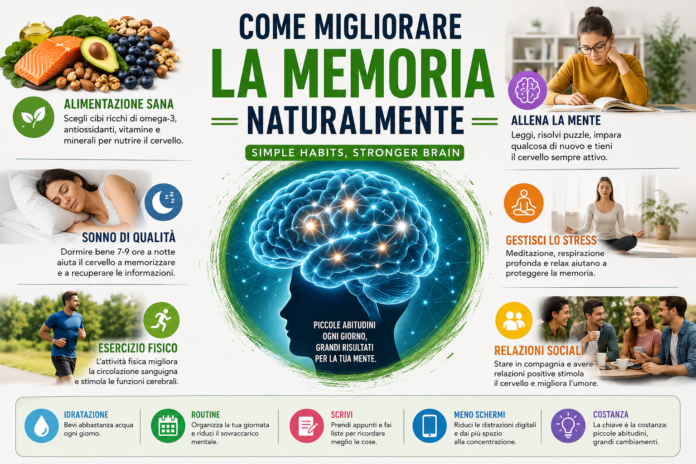
If you have been searching for come migliorare la memoria naturalmente, the good news is that there are proven, science-backed ways to improve cognitive performance without relying on expensive supplements or complicated routines. Your daily habits—including what you eat, how well you sleep, how often you exercise, and how you challenge your mind—can significantly influence memory and overall brain health.
Modern neuroscience also highlights the brain’s remarkable ability to adapt, a process known as neuroplasticity. This means your brain can create new neural connections throughout life, making it possible to strengthen memory through consistent practice and healthy choices.
Rather than looking for quick fixes, the most effective approach is to build simple habits that support long-term brain function. Small changes, such as improving sleep quality, reducing stress, staying physically active, and maintaining a nutrient-rich diet, often produce noticeable improvements over time.
This comprehensive guide explores practical, evidence-based strategies that anyone can follow. Whether you’re a student preparing for exams, a professional managing a busy workload, or simply someone who wants to stay mentally sharp, these techniques can help boost memory naturally while improving focus, concentration, and overall cognitive performance.
Understanding Memory and How the Brain Works
Before learning come migliorare la memoria naturalmente, it’s important to understand how memory actually functions.
Memory is not a single process. Instead, it consists of several interconnected systems that work together to store and retrieve information.
Short-Term Memory
Short-term memory temporarily stores information for a few seconds or minutes. It allows you to remember a phone number long enough to dial it or follow directions while driving.
Long-Term Memory
Long-term memory stores information for extended periods, sometimes for an entire lifetime. Experiences, knowledge, languages, and personal memories are all stored here.
Working Memory
Working memory helps you process and manipulate information in real time. It’s essential for solving problems, making decisions, reading comprehension, and multitasking.
Several parts of the brain contribute to these processes, including the hippocampus, which plays a vital role in forming new memories, and the prefrontal cortex, which supports attention, planning, and reasoning.
Fortunately, these areas remain responsive to healthy lifestyle habits. Activities like learning new skills, engaging in regular exercise, eating nutritious foods, and managing stress help maintain strong neural connections while encouraging the growth of new ones.
Memory loss is not always caused by aging alone. Factors such as poor sleep, chronic stress, dehydration, nutritional deficiencies, lack of physical activity, and excessive screen time can negatively affect cognitive performance. Identifying these influences is often the first step toward improving memory naturally.
By understanding how memory works, you can make smarter daily choices that support long-term brain health rather than relying on temporary solutions.
Natural Ways to Improve Memory
Eat a Brain-Healthy Diet
Nutrition plays a crucial role in cognitive function. The brain consumes about 20% of your body’s energy, making high-quality foods essential for optimal performance.
A diet rich in whole foods provides vitamins, minerals, antioxidants, and healthy fats that protect brain cells from damage and support communication between neurons.
Some of the best brain-friendly foods include:
- Fatty fish such as salmon and sardines, which are rich in omega-3 fatty acids.
- Blueberries packed with antioxidants that help reduce oxidative stress.
- Leafy green vegetables like spinach and kale that contain vitamin K and folate.
- Walnuts, almonds, and pumpkin seeds for healthy fats and vitamin E.
- Eggs, which provide choline, an important nutrient for memory.
- Whole grains that supply steady energy to the brain.
- Dark chocolate in moderation for flavonoids that may improve blood flow to the brain.
Equally important is limiting processed foods, excessive sugar, and trans fats, which have been linked to inflammation and poorer cognitive function.
Prioritize Quality Sleep
Sleep is when your brain organizes and stores information gathered throughout the day. Without enough rest, memories become harder to retain and recall.
Adults should aim for seven to nine hours of quality sleep each night.
To improve sleep quality:
- Maintain a consistent bedtime.
- Avoid screens at least one hour before sleeping.
- Keep your bedroom cool, quiet, and dark.
- Reduce caffeine intake during the afternoon.
- Practice relaxing activities before bed, such as reading or meditation.
Many people notice significant improvements in concentration and memory after establishing a healthy sleep routine.
Exercise Regularly
Physical activity benefits both the body and the brain. Exercise increases blood circulation, delivering more oxygen and nutrients to brain cells while encouraging the growth of new neurons.
Studies consistently show that people who exercise regularly perform better on memory and learning tasks.
Effective exercises include:
- Brisk walking
- Swimming
- Cycling
- Yoga
- Strength training
- Dancing
Even 30 minutes of moderate exercise five days a week can positively impact cognitive health.
Train Your Brain Every Day
Just like muscles, the brain becomes stronger when challenged regularly.
Mental exercises encourage neuroplasticity, allowing the brain to create stronger neural pathways.
Activities that stimulate the brain include:
- Reading books
- Solving crossword puzzles
- Playing chess
- Learning a new language
- Practicing a musical instrument
- Trying memory games
- Learning new professional skills
The key is consistency. Spending just 20 to 30 minutes daily on mentally stimulating activities can help maintain cognitive sharpness.
Manage Stress Effectively
Chronic stress increases cortisol levels, which may interfere with memory formation and damage areas of the brain involved in learning.
Stress management techniques include:
- Deep breathing exercises
- Meditation
- Mindfulness practice
- Spending time outdoors
- Journaling
- Talking with supportive friends or family
- Taking regular breaks from work
Reducing stress not only improves memory but also enhances focus, emotional well-being, and productivity.
Stay Hydrated
Even mild dehydration can affect concentration, attention, and memory.
Water supports healthy blood flow and ensures brain cells function efficiently.
Aim to drink enough water throughout the day rather than waiting until you feel thirsty.
If you exercise regularly or live in a warm climate, your hydration needs may be even higher.
Maintain Strong Social Connections
Social interaction stimulates multiple areas of the brain.
Meaningful conversations, group activities, volunteering, and spending time with loved ones help reduce stress while encouraging mental engagement.
Research suggests that socially active individuals often experience slower cognitive decline compared to those who are isolated.
Practical Tips to Strengthen Memory Every Day
If your goal is come migliorare la memoria naturalmente, consistency matters more than perfection. Small daily habits often create lasting improvements.
Practical strategies include:
- Write important tasks in a notebook.
- Repeat new information aloud.
- Associate names with memorable images.
- Break large information into smaller sections.
- Review important material before sleeping.
- Limit multitasking and focus on one task at a time.
- Organize your workspace to reduce distractions.
- Practice active recall instead of passive reading.
- Use calendars and reminders as learning tools rather than relying on them completely.
- Learn something new every week to keep your brain challenged.
These habits gradually strengthen memory while making everyday life more organized and productive.
Common Mistakes That Hurt Memory
Many people unknowingly develop habits that weaken memory over time.
Common mistakes include:
Skipping Sleep
Poor sleep prevents the brain from properly storing new memories.
Eating Too Much Processed Food
Highly processed diets may increase inflammation and negatively affect cognitive health.
Living a Sedentary Lifestyle
Long periods of inactivity reduce blood circulation and overall brain performance.
Constant Multitasking
Switching rapidly between tasks reduces concentration and makes information harder to remember.
Ignoring Chronic Stress
Persistent stress weakens memory formation and reduces mental clarity.
Excessive Alcohol Consumption
Heavy alcohol use may interfere with communication between brain cells and impair memory.
Recognizing these habits is an important step toward building a healthier brain.
not about finding a miracle solution—it’s about building sustainable habits that support your brain every day. Healthy eating, regular physical activity, quality sleep, mental stimulation, stress management, and staying socially connected all work together to strengthen memory and improve overall cognitive performance.
The brain has an incredible ability to adapt and grow throughout life. By consistently following these evidence-based strategies, you can enhance concentration, improve learning, increase productivity, and maintain better mental sharpness as you age.
Whether your goal is academic success, career advancement, or simply staying mentally active, the journey toward come migliorare la memoria naturalmente begins with small, consistent changes. Over time, these habits can lead to lasting improvements in memory, confidence, and overall brain health.

