Business Lawyer UK: When to Hire One and How to Choose
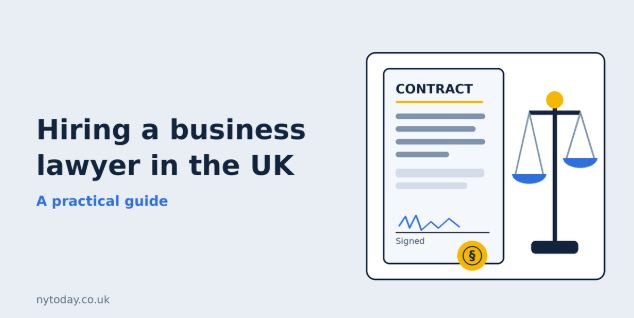
Most small business owners only think about a lawyer when something goes wrong. By then, the problem is usually bigger and more expensive. A good business lawyer helps you avoid disputes, protect what you have built and make decisions with confidence. This guide explains what a business lawyer does, when you should get advice and how to choose the right one.
What is a business lawyer?
A business lawyer advises companies, sole traders and partnerships on legal issues connected to running a business. In England and Wales, most of this work is done by solicitors, who are regulated by the Solicitors Regulation Authority (SRA). You may also see the terms “commercial solicitor” or “corporate solicitor”, which mean much the same thing. Barristers are specialists who usually handle court advocacy and are often brought in by a solicitor when a case goes to court.
What does a business lawyer do?
- Helps you choose a business structure, such as sole trader, partnership or limited company
- Drafts and reviews contracts, terms and conditions and supplier agreements
- Prepares shareholder agreements and advises directors on their duties
- Advises on employment contracts, staff policies and disputes
- Protects your brand and ideas, including trade marks and confidentiality agreements
- Advises on data protection and UK GDPR
- Handles commercial leases and property matters
- Helps you recover unpaid debts and resolve disputes
- Supports the buying, selling or closing of a business
When should you hire a business lawyer?
You do not need a lawyer for every task, but these situations are worth professional advice.
| Situation | Why it matters |
|---|---|
| Starting a company with partners | A shareholders’ or partnership agreement can prevent disagreements later |
| Signing a big contract or lease | Small wording can create big obligations |
| Hiring your first employees | Contracts and policies must meet employment law |
| Protecting your brand | Registering a trade mark and using confidentiality agreements |
| A customer or supplier dispute | Early advice can save time and cost |
| Selling or buying a business | The legal checks are complex and the stakes are high |
| Collecting unpaid invoices | A solicitor’s letter can often prompt payment |
If you are still setting up, our guide to becoming a sole trader in the UK explains the basics before you decide whether you need more advanced advice.
Do you really need one? Free and low-cost steps first
Before you pay for advice, you can often handle simple tasks yourself:
- Use official GOV.UK guidance for registering a business, tax and employment basics.
- Use clear, correct invoices and payment terms. See our guide on how to write an invoice in the UK.
- Learn your rights on late payments through the GOV.UK late payment guidance.
- Use templates for simple agreements, but be careful, because a template may not fit your situation.
Use a lawyer when the risk or the cost of getting it wrong is higher than the cost of advice.
How much does a business lawyer cost?
Costs vary by firm, location and the complexity of the work. Common fee models include:
- Hourly rate: you pay for the time spent, so ask for an estimate.
- Fixed fee: a set price for a defined job, such as reviewing a contract.
- Retainer or subscription: a regular payment for ongoing access to advice.
A reputable solicitor should explain costs clearly before starting and put the arrangement in writing. Always ask what is included, what could cost extra (such as court fees) and how often you will be billed.
How to choose a business lawyer
- Check they are regulated. Search the SRA register or use the Law Society’s Find a Solicitor service to confirm the solicitor or firm is authorised.
- Look for relevant experience. A lawyer who works with small businesses in your industry will understand your problems faster.
- Ask about fees upfront and compare at least two or three quotes.
- Meet or speak first. Many firms offer an introductory call. Check you understand the advice and feel comfortable asking questions.
- Check communication. Ask who will handle your work, how quickly they reply and whether you will get plain-English explanations.
- Read reviews and ask for recommendations from other business owners, an accountant or a local business network.
Questions to ask before you hire
- Have you worked with businesses like mine?
- Who will do the work, and who will I speak to?
- How much will this cost, and what could change the price?
- How long will it take?
- What do you need from me?
Common mistakes to avoid
- Waiting until a dispute becomes serious
- Using a template contract without checking it fits your situation
- Agreeing terms verbally with no written record
- Choosing a lawyer only on price
- Not reading the engagement letter and fee terms
- Forgetting to update contracts as your business grows
Prepare before your first meeting
Bring your business plan, any contracts or documents involved, a short timeline of events and a list of your questions. If you do not have a business plan, our article on how to create a business plan that attracts investors is a useful starting point.
FAQs
What is the difference between a business lawyer and a solicitor?
In the UK, “lawyer” is a general term. A solicitor is a specific type of regulated legal professional. A business lawyer in England and Wales is usually a solicitor who specialises in business and commercial law.
Do I need a lawyer to set up a limited company?
Not always. Many people register a company themselves through Companies House. A lawyer becomes more useful when there are several owners, investors or complex ownership arrangements.
Is the advice I get from a business lawyer confidential?
Communications with a solicitor are generally confidential and may be protected by legal professional privilege. Ask your solicitor how it applies to your situation.
Can a business lawyer help me recover unpaid invoices?
Yes. A solicitor can send a formal letter, advise on interest and costs and guide you through court action if needed.
How early should I hire a business lawyer?
Ideally before you sign important contracts, take on partners or hire staff, because prevention is usually cheaper than fixing a dispute.