Universal Technology Corporation
Defence and aerospace research rarely makes headlines, yet it quietly shapes the aircraft, sensors, and materials used around the world. Universal Technology Corporation is one of the lesser-known names behind that work. Based in Dayton, Ohio, it spent decades supporting government research programmes, and in recent years its story has changed through a merger and a rebrand. This guide explains who the company is, what it does, how it has evolved, and how to research it properly if you are a job seeker, student, supplier, or analyst. For more practical guidance on understanding and running businesses, the guides at NY Today are a good companion read.
Who Is UTC?
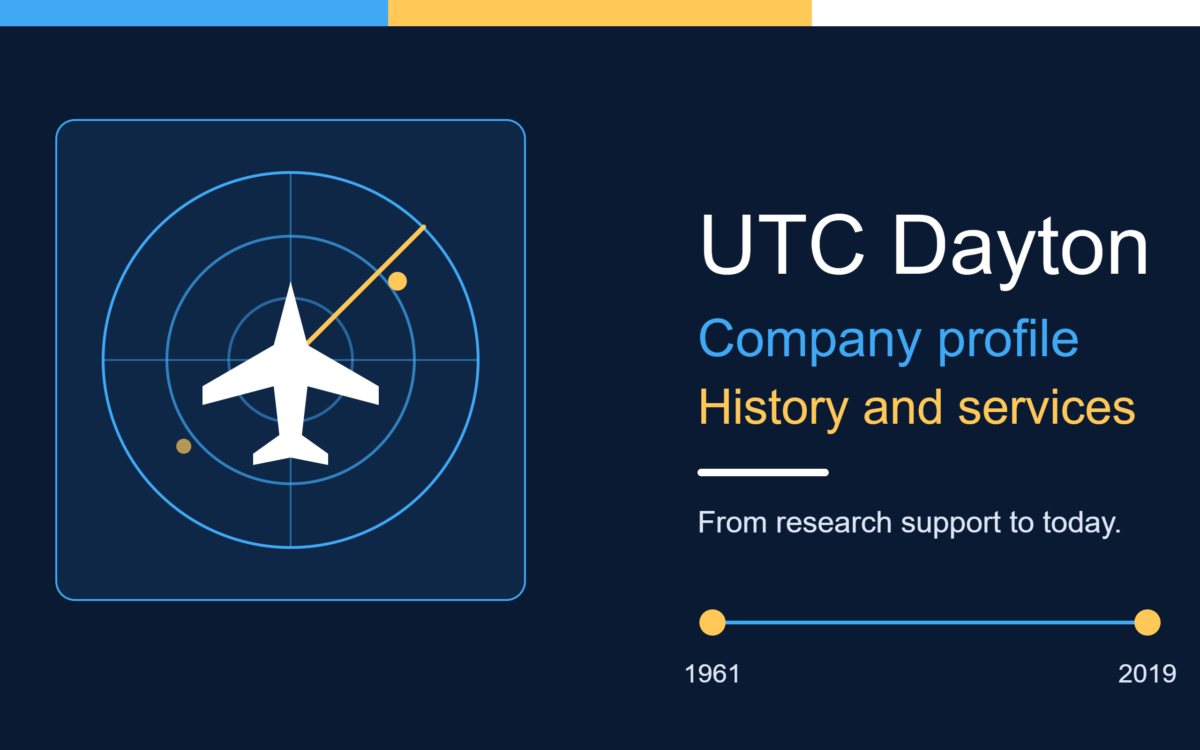
Most people know the firm by its initials, UTC. A 2019 announcement describes it as an Ohio-based provider of scientific, engineering, and technical services to space and defense customers. Company databases list its founding year as 1961 and its headquarters as 1270 N. Fairfield Rd. in Dayton, Ohio. UTC Announces Merger with Advanced Core Concepts +2
The location is no accident. Dayton is home to Wright-Patterson Air Force Base and the Air Force Research Laboratory (AFRL), which makes it one of the most important aerospace research hubs in the United States. A company that sits close to its customers can staff projects faster, host technical meetings easily, and build long relationships with researchers.
A Short History
UTC grew around a simple idea: government laboratories need flexible technical support, and a nimble outside organisation can supply scientists, engineers, and project managers quickly. Its own leadership described a long record of service, saying UTC had been providing services to the Air Force Research Laboratory, NASA, the Missile Defense Agency, and the Defense Logistics Agency for 58 years as of 2019. arctos-us
Over time the company added capabilities beyond pure research support. Its published profile lists aerospace systems, materials and manufacturing, civil engineering, and space and directed energy as core strengths, supported by data analytics, additive manufacturing research, and meetings and event management. arctos-usarctos-us
What the Company Does
Research and Engineering Support
The heart of the business is placing technical experts into government research programmes. A well-known example is a short-term research contract in which the firm received $24.5 million to support the Air Force Research Lab’s Air Vehicles Directorate. That work covered four technology areas: aeronautical sciences, structural sciences, control sciences, and vehicle integration. defenseindustrydailydefenseindustrydaily
Another large award was a $33,931,514 cost-plus-fixed-fee contract to enable collaborative research partnerships between AFRL and academia and industry. This kind of work connects universities and companies with government laboratories so that new ideas can move from the lab toward practical use. afcea
Materials, Manufacturing, and Additive Research
Advanced materials and manufacturing sit near the centre of aerospace progress. Lighter parts, stronger alloys, and new production methods all reduce cost and improve performance. The company’s profile specifically mentions additive manufacturing, often called industrial 3D printing, as a research strength.
Space and Directed Energy
Space systems and directed energy are two further areas the company highlights. These are specialist fields where small teams of subject experts can make a large difference, which is why outside technical support is common.
Meetings and Events
An unusual part of the business is event management. The firm has long hosted and organised technical conferences, including the Aging Aircraft Conference, whose papers have been cited in published research. One National Academies reference lists the proceedings of the 2000 Aging Aircraft Conference, published in Dayton, Ohio, by the company. Conferences like this give engineers a place to share findings on keeping older fleets safe and reliable. nationalacademies
The 2019 Merger and Rebrand
The biggest shift in the company’s modern history came in 2019. UTC entered into an agreement to merge with Georgia-based Advanced Core Concepts, or ACC. According to the announcement, ACC specialises in aviation lifecycle management, cybersecurity, and space mission analysis and risk management tools. defence-industriesarctos-us
The stated aim was to create a provider of full lifecycle system support and solutions to defense, space, and intelligence markets. The announcement also named the leadership: Trase Travers would serve as CEO, and Joe Sciabica as Chief Technology Officer of the combined business. arctos-usarctos-us
As part of the deal, the structure changed too. UTC was to convert to a limited liability company and change its name to Universal Technology Company, LLC. That detail matters if you are researching the firm, because older documents use one name and newer ones use another. arctos-us
Where Is the Company Now?
The trail after the merger leads to ARCTOS. Archived UTC news is now hosted on the ARCTOS website under a “legacy” section, and ARCTOS describes itself as a business that combines technology domain expertise, deep customer mission understanding, and a team-oriented approach to deliver technology solutions and engineering services for federal and industrial customers. arctos-us
Benefit-plan filings point the same way. Records tied to the original employer identification number now include a plan labelled Arctos Technology Solutions LLC Welfare Benefits Plan. In plain terms, the business that was once known as UTC appears to operate today under the ARCTOS name. If you need the current legal status, check official filings rather than relying on old web pages. siviq
Innovation Beyond Defence
The firm has also tried to turn research into products for wider markets. A local news report described how it hired a sensors expert from the University of Dayton Research Institute to expand into commercial work. That expert had earlier started IDCAST, a sensor-technology consortium, which, according to UTC, created nearly 350 new jobs and had a $400 million impact in Ohio. The same report noted that a crime-tracking database was already being used by local police, showing how technology built for one purpose can serve another. daytondailynews
Why the Company Matters
Companies like this rarely sell to the public, but they do three important things.
They keep research moving. Government laboratories have fixed headcounts. Contract organisations supply extra technical capacity for specific projects.
They link universities and industry. Collaborative programmes help academic ideas reach real-world testing.
They support regional economies. Dayton’s aerospace cluster depends on a web of contractors, universities, and suppliers. Engineers, technicians, and event staff all benefit.
How to Research a Company Like This
If you are checking out a defence-related contractor, a few practical steps help.
- Start with official business registries. In the United States, state registries show legal names, status, and registered agents. Ohio keeps its own records, and a name change like the one above will appear in the filing history.
- Check government contracting databases. Public contract-award announcements and federal spending portals show which agencies pay a firm and for what.
- Read press releases and trade news. Merger announcements often explain leadership, strategy, and locations.
- Look at the current owner’s website. If a firm has been absorbed or renamed, the new site is the best source for current services and careers.
- Compare names carefully. Similar names are common, so confirm the address and tax identifier before drawing conclusions.
Watch Out for Similar Names
The name is generic, so confusion is easy. Directories list other businesses with nearly identical wording, such as a Dayton tooling and automation supplier and an electronics trademark holder from decades ago. Some data sites also use old classification codes that do not match the firm’s real work. One directory, for example, files a Dayton listing under photofinishing, which looks like a legacy mistake rather than a description of its research activity.
To avoid errors, always match three things: the address, the industry, and the dates. A record that fits all three is far more likely to be the company you want.
Tips for Job Seekers and Students
- Search under the current name as well as the old one, since careers pages may sit under ARCTOS.
- Look for clearance requirements. Many defence roles need security clearances or US citizenship.
- Read job descriptions for technical keywords such as materials, controls, structures, data analytics, or cybersecurity.
- Consider internships and academic partnerships. Collaborative programmes often start with universities.
- Check the location. Dayton, Huntsville, Colorado Springs, and Florida’s Space Coast all appear in the firm’s published footprint.
Frequently Asked Questions
What does UTC stand for? In this context it stands for the Dayton, Ohio research and engineering firm described above.
When was it founded? Company databases list 1961 as the founding year. cbinsights
Where is it based? Dayton, Ohio, near Wright-Patterson Air Force Base.
Who are its main customers? Government research and defence organisations, including the Air Force Research Laboratory, NASA, the Missile Defense Agency, and the Defense Logistics Agency.
Did the company change its name? Yes. The 2019 merger plan said it would become a limited liability company with a new name, and later records point to ARCTOS.
Is it the same as other firms with similar names? No. Always verify the address and business type.
Conclusion
Universal Technology Corporation is a good example of how specialist government contractors work: quietly, technically, and often under changing names. It began in 1961, supported major Air Force research programmes, hosted respected engineering conferences, merged with Advanced Core Concepts in 2019, and now appears to operate within ARCTOS. If you are researching it, search both old and new names, rely on official records, and double-check the address to avoid mix-ups with similarly named firms. For more plain-English advice on business, technology, and AI, visit NY Today and read the latest guides.