For decades, computer science graduates have been told that the most rewarding careers lie within software startups and major technology firms. The allure of Silicon Valley, six-figure salaries, and innovative products attracted millions of students to computer science programmes. Between 2005 and 2023, the number of computer science majors in the United States quadrupled as demand for software talent surged across industries.
Today, however, the landscape has changed dramatically. Startup hiring has slowed, competition for software engineering roles has intensified, and many recent graduates are finding it more difficult to secure employment. Surprisingly, some reports suggest that recent computer science graduates are experiencing higher unemployment rates than graduates in fields such as journalism, liberal arts, and philosophy.
Yet this doesn’t mean computer science has lost its value. Instead, it suggests that graduates may be looking in the wrong places. One of the fastest-growing opportunities for software professionals now exists outside traditional software companies—in the rapidly expanding electronics manufacturing industry.
A Hidden Opportunity in Electronics Manufacturing
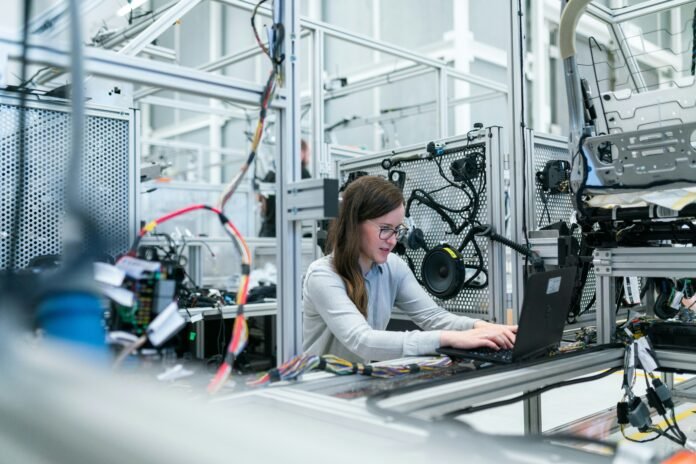
While many technology graduates focus exclusively on software firms, the electronics manufacturing sector is experiencing a major resurgence. Driven by supply chain reshoring, growing semiconductor demand, artificial intelligence adoption, and increased domestic manufacturing investments, the industry is undergoing a significant transformation.
The numbers are impressive:
- The electronics manufacturing industry contributes approximately $853 billion to the U.S. economy.
- It supports nearly 5.2 million jobs nationwide.
- Technology professionals in the sector earn an average salary of around $156,000 annually.
Most importantly, the industry faces a substantial talent shortage. As factories become smarter and more automated, manufacturers urgently need software engineers, data specialists, AI experts, and systems developers to modernise operations.
Why Manufacturers Need Software Talent
Many people still associate manufacturing with assembly lines and machinery. While hardware production remains at the industry’s core, modern manufacturing relies heavily on software.
Today’s factories use advanced digital systems to manage production, monitor equipment, analyse performance data, and maintain quality standards. These systems require talented software professionals to develop, maintain, and improve them.
Software engineers in manufacturing may work on:
- Factory automation platforms
- Embedded firmware development
- Robotics programming
- Supply chain management systems
- Artificial intelligence applications
- Industrial cybersecurity
- Quality control software
- Data analytics platforms
In many cases, these projects are every bit as technically challenging as those found in traditional software companies.
The Growing Need to Modernise Legacy Systems
One of the biggest challenges facing electronics manufacturers is outdated technology infrastructure.
According to industry surveys, more than half of electronics manufacturers continue to rely on software systems that are over ten years old. While these systems remain critical to daily operations, they often struggle to integrate with modern technologies and cloud-based platforms.
Companies need software professionals who can:
- Upgrade ageing systems
- Integrate modern software solutions
- Improve operational efficiency
- Enhance security and reliability
- Develop custom tools and applications
This creates significant opportunities for computer science graduates who possess strong programming and problem-solving skills.
The Rise of Artificial Intelligence in Manufacturing
Artificial intelligence is transforming nearly every industry, and electronics manufacturing is no exception.
Manufacturers are increasingly adopting AI-powered solutions to improve productivity, reduce waste, and enhance product quality. AI technologies are being used for:
Predictive Maintenance
AI systems can analyse machine performance and identify potential failures before they occur, reducing costly downtime.
Automated Quality Control
Computer vision systems powered by AI can inspect products more accurately and consistently than traditional methods.
Design and Simulation
Advanced algorithms help engineers model products, test performance, and optimise manufacturing processes before physical production begins.
Supply Chain Optimisation
AI-driven analytics improve inventory management, forecasting, and logistics operations.
Despite these technological advances, human expertise remains essential. Computer science graduates play a critical role in developing, implementing, and managing these sophisticated systems.
Hardware Jobs Require Software Expertise
For many years, hardware-related careers were often viewed as less prestigious than positions at software startups. That perception is rapidly changing.
The technologies shaping the future—from autonomous vehicles and medical devices to renewable energy systems and advanced telecommunications—depend on seamless integration between hardware and software.
Modern electronics manufacturers need professionals who understand both worlds. Engineers who can bridge the gap between physical devices and digital systems are becoming some of the most valuable employees in the technology workforce.
How Computer Science Graduates Can Enter the Industry
1. Explore Local Manufacturers
Many graduates overlook opportunities at regional electronics manufacturers. Companies involved in printed circuit boards, systems assembly, telecommunications equipment, and contract manufacturing frequently hire software professionals.
These organisations often offer excellent career growth, competitive salaries, and opportunities to work on cutting-edge technologies.
2. Showcase Transferable Skills
Computer science graduates already possess many of the skills manufacturers need.
These include:
- Programming and software development
- Agile and Scrum methodologies
- Data analysis
- Project management
- Problem-solving
- Team collaboration
When applying for manufacturing roles, candidates should demonstrate how these skills can improve production systems and support digital transformation initiatives.
3. Build Industry Relationships
Networking remains one of the most effective ways to discover career opportunities.
Industry associations, professional organisations, trade events, and university partnerships provide valuable opportunities to connect with employers and experienced professionals. Building relationships within the manufacturing community can open doors to exciting career paths that many graduates never consider.
The Future of Tech Careers
The demand for software talent is not disappearing—it is evolving. While traditional software companies continue to hire, some of the most promising opportunities now exist in industries that many graduates overlook.
Electronics manufacturing represents one of the most important examples of this shift. As factories become smarter, more connected, and increasingly reliant on artificial intelligence, the need for software expertise continues to grow.
Computer science graduates willing to look beyond Silicon Valley may discover a wealth of opportunities in an industry that combines innovation, economic impact, and long-term career stability.
Software may have changed the world, but the hardware that powers modern life has never been more important. And the professionals who can connect software and hardware together are becoming some of the most valuable workers in today’s economy.

