Introduction
For many years, when people thought about first aid training, the first thing that came to mind was CPR (Cardiopulmonary Resuscitation). While CPR remains one of the most important life-saving techniques taught in emergency response training, modern first aid courses have evolved significantly. Today’s programs go far beyond chest compressions and rescue breaths, providing participants with a wide range of practical skills designed to handle various emergencies in homes, workplaces, schools, and public settings.
The world has changed, and so have the risks people face daily. From severe allergic reactions and mental health crises to burns, fractures, choking incidents, and automated external defibrillator (AED) use, modern first aid courses prepare individuals to respond effectively in many situations. These comprehensive programs aim to increase confidence, improve survival rates, and reduce the severity of injuries before professional medical assistance arrives.
This article explores why modern first aid courses cover more than CPR and examines the valuable skills and knowledge participants gain through contemporary first aid training.
The Evolution of First Aid Training
First aid education has undergone significant transformation over the past few decades. Earlier training programs focused primarily on basic wound care and CPR. However, medical research, technological advancements, and a better understanding of emergency response have expanded the scope of first aid education.
Modern first aid courses now address a wide range of medical emergencies that people may encounter in everyday life. Training providers recognise that emergencies can occur anywhere and involve individuals of all ages and health conditions. As a result, courses are designed to prepare learners for realistic situations rather than focusing solely on cardiac arrest.
This broader approach ensures that participants can provide immediate assistance in diverse circumstances, potentially saving lives and preventing complications.
Understanding CPR in Modern Training
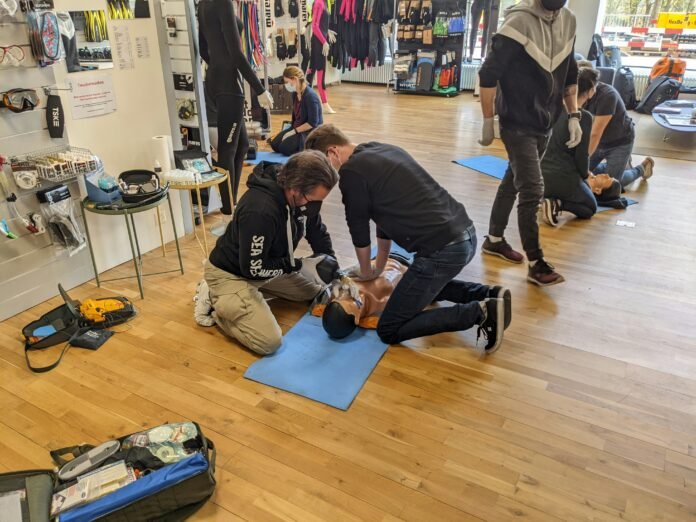
CPR remains a cornerstone of first aid education because it can significantly improve survival rates during cardiac arrest. Modern CPR training teaches participants how to:
- Recognise cardiac arrest symptoms
- Perform effective chest compressions
- Provide rescue breaths when appropriate
- Use an AED safely
- Coordinate with emergency services
However, instructors now emphasise that CPR is only one component of emergency response. Before CPR is required, responders must assess the scene, ensure safety, identify symptoms, and communicate effectively with emergency professionals.
Therefore, CPR serves as the foundation of first aid training rather than the entire curriculum.
The Importance of Automated External Defibrillator (AED) Training
One of the most valuable additions to modern first aid courses is AED training.
AEDs are portable devices that analyse heart rhythms and deliver electrical shocks when necessary. These devices have become increasingly available in schools, offices, shopping centres, airports, and sports facilities.
Participants learn how to:
- Locate an AED quickly
- Operate the device safely
- Follow voice prompts
- Combine AED use with CPR
- Minimise interruptions during treatment
Studies consistently show that early defibrillation can dramatically improve survival outcomes during sudden cardiac arrest. As a result, AED training has become a standard component of modern first aid programs.
Managing Choking Emergencies
Choking remains one of the most common emergencies faced by adults and children.
Modern first aid courses teach participants how to identify different levels of airway obstruction and respond appropriately. Training typically includes:
- Recognising choking signs
- Encouraging coughing when appropriate
- Performing back blows
- Administering abdominal thrusts
- Responding to unconscious choking victims
Special techniques for infants and young children are also covered, ensuring participants can help individuals of all ages.
Understanding how to respond quickly to choking incidents can prevent serious injury or death within minutes.
Handling Severe Bleeding and Wounds
Uncontrolled bleeding can become life-threatening rapidly. Modern first aid courses dedicate substantial time to bleeding control and wound management.
Participants learn:
- Direct pressure techniques
- Wound dressing application
- Bandaging methods
- Tourniquet use in severe cases
- Infection prevention practices
These skills are particularly important in workplaces, construction sites, sports environments, and outdoor settings where injuries may occur before professional medical assistance arrives.
Proper wound management can reduce blood loss, minimise infection risks, and improve recovery outcomes.
Responding to Burns and Scalds
Burn injuries can range from minor discomfort to severe medical emergencies.
Modern first aid training covers:
- Thermal burns
- Chemical burns
- Electrical burns
- Sunburn treatment
- Burn severity assessment
Participants learn evidence-based treatment methods, including cooling techniques and when to seek emergency medical care.
By understanding burn management, responders can reduce tissue damage and improve healing outcomes.
Recognising Stroke Symptoms
Stroke awareness has become a major focus of contemporary first aid education.
Rapid intervention during a stroke can significantly improve recovery chances. Modern courses teach participants to recognise warning signs using tools such as FAST:
- Face drooping
- Arm weakness
- Speech difficulties
- Time to call emergency services
Early recognition can help ensure patients receive life-saving treatment within critical time windows.
Managing Heart Attacks
Although cardiac arrest and heart attacks are often confused, they are different medical emergencies.
Modern first aid courses help participants identify symptoms such as:
- Chest pain
- Shortness of breath
- Nausea
- Sweating
- Pain radiating to the arm, neck, or jaw
Learners are taught how to support victims, contact emergency services, and monitor the individual’s condition until help arrives.
Early recognition and intervention can significantly improve survival rates.
Addressing Allergic Reactions and Anaphylaxis
Food allergies, insect stings, medications, and environmental factors can trigger severe allergic reactions.
Modern first aid courses provide training on:
- Recognising allergy symptoms
- Identifying anaphylaxis
- Using epinephrine auto-injectors
- Monitoring breathing difficulties
- Seeking urgent medical assistance
As allergies become increasingly common worldwide, these skills have become essential for parents, teachers, caregivers, and workplace staff.
Dealing with Fractures and Sprains
Musculoskeletal injuries occur frequently in sports, workplaces, and everyday activities.
Participants learn how to:
- Identify fractures
- Immobilise injured limbs
- Support sprains and strains
- Reduce movement-related complications
- Recognise situations requiring emergency care
These skills help minimise further injury while waiting for professional treatment.
Mental Health First Aid
One of the most significant developments in modern first aid education is the inclusion of mental health awareness.
Mental health first aid teaches participants how to:
- Recognise emotional distress
- Support individuals experiencing anxiety or panic attacks
- Respond to depression symptoms
- Assist someone in crisis
- Encourage professional help-seeking
Mental health emergencies can be just as serious as physical injuries. By understanding how to respond appropriately, individuals can provide valuable support during difficult situations.
Emergency Response for Children and Infants
Children require specialised first aid techniques because their bodies differ significantly from adults.
Modern courses often include:
- Infant CPR
- Child choking response
- Fever management
- Seizure response
- Common childhood injuries
Parents, teachers, childcare providers, and family members benefit greatly from this specialised training.
Preparing for Workplace Emergencies
Many organisations require employees to complete first aid training to maintain workplace safety standards.
Modern workplace first aid courses cover:
- Risk assessment
- Incident reporting
- Occupational injuries
- Emergency evacuation procedures
- Team-based emergency response
These skills help organisations create safer environments and improve emergency preparedness.
Building Confidence During Emergencies
One of the greatest benefits of modern first aid training is increased confidence.
Many people hesitate during emergencies because they fear making mistakes. Comprehensive training helps individuals:
- Stay calm under pressure
- Make informed decisions
- Communicate effectively
- Follow emergency procedures
- Assist others with confidence
Confidence often makes the difference between immediate action and dangerous delays.
The Role of Technology in Modern First Aid Training
Technology has transformed how first aid is taught and practised.
Many training providers now use:
- Interactive simulations
- Virtual reality scenarios
- Online learning modules
- Digital assessment tools
- Mobile emergency response applications
These innovations improve learning outcomes and help participants retain critical information more effectively.
Why Everyone Should Consider First Aid Training
Emergencies can occur anywhere and affect anyone. Whether at home, work, school, or during travel, first aid knowledge empowers individuals to respond effectively.
Benefits of first aid training include:
- Improved emergency preparedness
- Increased confidence
- Enhanced workplace safety
- Better community resilience
- Potentially life-saving interventions
The skills learned often remain valuable for years and can make a meaningful difference during critical situations.
Conclusion
Modern first aid courses cover far more than CPR because today’s emergencies require broader knowledge and practical skills. While CPR remains an essential life-saving technique, comprehensive first aid training now includes AED use, choking response, wound care, burn treatment, stroke recognition, mental health support, allergy management, fracture care, and many other important topics.
This expanded approach reflects the realities of modern life and equips individuals to handle a wide variety of emergency situations. By participating in a modern first aid course, people gain not only practical skills but also the confidence to act when it matters most.
In many emergencies, the actions taken during the first few minutes can significantly impact outcomes. Modern first aid training ensures that more people are prepared to make those critical moments count.
Frequently Asked Questions (FAQ)
What is the main difference between modern first aid courses and older courses?
Modern first aid courses cover a broader range of emergencies, including AED use, mental health support, allergic reactions, stroke recognition, and trauma management, in addition to CPR.
Is CPR still important in first aid training?
Yes. CPR remains one of the most important skills taught in first aid courses because it can help sustain life during cardiac arrest until professional help arrives.
How long does a modern first aid course usually take?
Course length varies depending on the provider and certification level. Basic courses may take one day, while comprehensive workplace certifications can require multiple days.
Do first aid courses teach AED use?
Yes. Most modern first aid programs include AED training because early defibrillation significantly improves survival rates during cardiac emergencies.
Can first aid training help with mental health emergencies?
Many modern courses now include mental health first aid modules that teach participants how to recognise and respond to emotional distress and crisis situations.
Who should take a first aid course?
Everyone can benefit from first aid training, including parents, teachers, employees, students, caregivers, coaches, and community members.
How often should first aid certification be renewed?
Most organisations recommend renewing certification every two to three years to stay current with updated guidelines and maintain practical skills.
Are online first aid courses effective?
Online courses can provide valuable knowledge, but hands-on practice is often recommended for skills such as CPR, AED use, and emergency response techniques.

