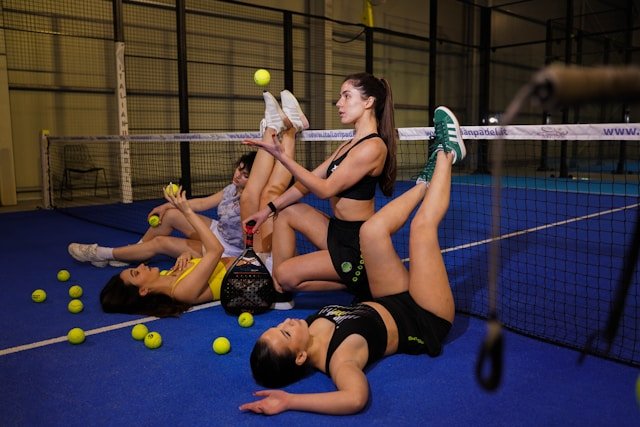
Recreational sports provide a powerful combination of enjoyment and physical activity. Because they are fun and flexible, they help people stay consistent with exercise over the long term, making it easier to build a healthier lifestyle.
Examples of Recreational Sports
Recreational sports are activities that are adaptable, accessible, and enjoyable. They can be done alone, with friends, or in groups, depending on personal preference. Below are some popular examples.
1. Jogging: Boosting fitness through simple movement
Jogging is one of the most effective recreational sports for improving overall fitness. Research presented in fitness journals shows that even short-distance running can improve cardiovascular health and endurance. For best results, gradually increase distance and pace to keep the activity enjoyable and sustainable.
2. Jump rope: Fun cardio at home
Skipping rope is a simple yet powerful workout that improves heart health, coordination, and flexibility. A 2019 study found that regular jump rope sessions over several weeks significantly enhanced mobility and physical fitness. It is a convenient option for home-based exercise.
3. Cycling: Improve mood and mental well-being
Cycling, especially outdoors, is linked to improved mood, better cognitive function, and enhanced overall wellness. Studies suggest it can be particularly beneficial for older adults, supporting both physical and mental health.
4. Swimming: Full-body low-impact exercise
Swimming is a highly effective recreational sport that is gentle on joints while strengthening the entire body. It supports heart health and has been associated with a reduced risk of cardiovascular-related conditions compared to inactive lifestyles.
5. Archery: Focus and strength training
Archery improves concentration, patience, and upper-body strength. It is also known to reduce stress levels while enhancing mental discipline and focus.
6. Golf: Gentle exercise with cognitive benefits
Golf combines light physical activity with strategic thinking. Research suggests it may help reduce cognitive decline in older adults while also supporting balance, mobility, and muscle strength.
7. Surfing: Balance and full-body fitness
Surfing is an intense recreational activity that improves core strength, balance, coordination, and cardiovascular endurance. It also promotes mental resilience due to its challenging nature.
8. Hiking: Fitness through nature
Hiking combines exercise with outdoor exploration. It helps improve endurance, strengthens muscles, and is an excellent way to break a sedentary lifestyle while enjoying nature.
Recreational Sports in Schools
Schools offer great opportunities for students to stay active through team and individual sports. These activities build physical strength, teamwork, and discipline.
1. Football: stamina and strength building
Football improves cardiovascular fitness, leg strength, coordination, and stamina. It is also excellent for developing teamwork skills.
2. Badminton: fast-paced fitness activity
Badminton enhances reflexes, cardiovascular health, and overall agility. Regular play can significantly improve physical fitness and endurance.
3. Volleyball: teamwork and upper-body strength
Volleyball develops arm strength, coordination, and stamina. It also promotes teamwork and can help support healthy metabolism.
4. Table tennis: speed and reflex training
Table tennis improves reflexes, concentration, and respiratory endurance. It is a fast-paced sport that enhances mental sharpness and coordination.
Conclusion
Recreational sports are an enjoyable way to stay active, improve physical fitness, and support mental well-being. Whether outdoors, at home, or in school, these activities make exercise feel less like a task and more like a lifestyle habit. Regular participation can significantly reduce the risk of chronic diseases while improving overall quality of life.
FAQ: Recreational Sports and Healthy Living
1. What are recreational sports?
Recreational sports are physical activities played for enjoyment, relaxation, and fitness rather than professional competition. They can be done individually or in groups.
2. Why are recreational sports important for health?
They help improve cardiovascular fitness, strengthen muscles, support mental well-being, and reduce the risk of chronic diseases like heart disease and diabetes.
3. Can beginners participate in recreational sports?
Yes, recreational sports are beginner-friendly. Most activities like walking, cycling, or swimming can be easily adjusted to match fitness levels.
4. What are the easiest recreational sports to start with?
Jogging, walking, jump rope, and cycling are among the easiest and most accessible options for beginners.
5. How often should I do recreational sports?
Experts generally recommend at least 150 minutes of moderate physical activity per week, which can include recreational sports.
6. Are recreational sports better than gym workouts?
Both are effective. Recreational sports may feel more enjoyable and less repetitive, while gym workouts offer structured training. The best choice is the one you can stay consistent with.
7. Do recreational sports help with mental health?
Yes, they can reduce stress, anxiety, and depression while improving mood, focus, and overall mental well-being.
8. Can children and older adults do recreational sports?
Absolutely. Recreational sports can be adapted for all age groups, making them suitable for children, adults, and seniors.
9. What is the safest recreational sport?
Swimming is often considered one of the safest because it is low-impact and gentle on joints.
10. How do recreational sports improve lifestyle?
They encourage an active routine, improve physical fitness, boost energy levels, and promote a healthier and more balanced lifestyle.

