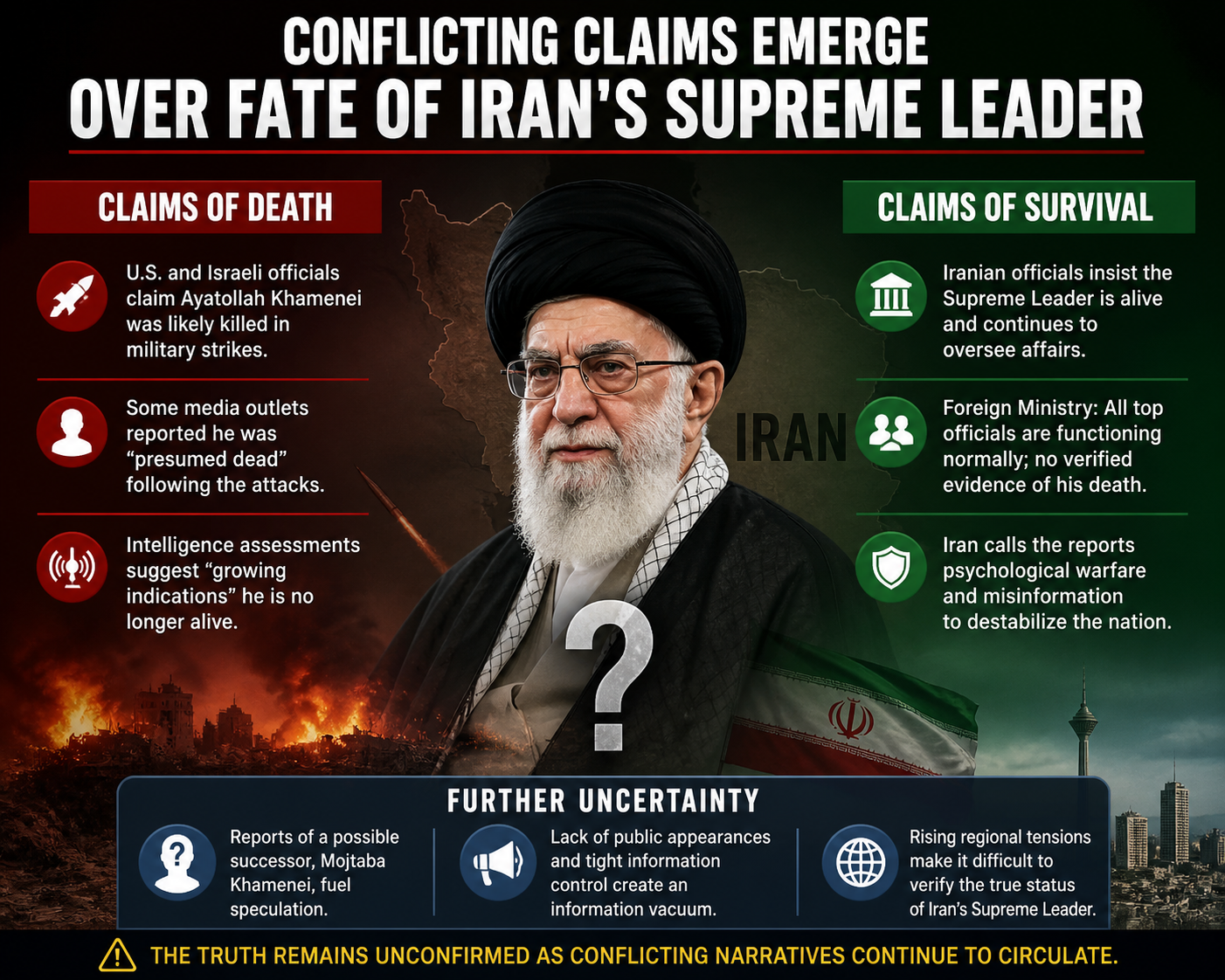
Recent missile attacks linked to Iran have significantly increased tensions across the Middle East, raising fears of a broader regional conflict. The attacks, which reportedly targeted military facilities and strategic sites connected to Israel and United States interests, have intensified global concerns about security, oil supplies, and geopolitical stability.
According to international reports, Iran launched multiple waves of ballistic missiles and drones in retaliation for military strikes carried out against Iranian targets. Several explosions and emergency sirens were reported across Israeli cities, while air defence systems were activated to intercept incoming projectiles.
The conflict has rapidly expanded beyond direct attacks between Iran and Israel. Reports indicate that military bases, energy infrastructure, and strategic locations across the Gulf region have also faced threats and missile activity. Regional countries, including the United Arab Emirates and Qatar, have increased security measures amid fears of additional strikes.
International leaders are urging restraint as the situation continues to evolve. Diplomatic efforts are underway to prevent the conflict from escalating further, but tensions remain extremely high. Analysts warn that continued missile exchanges could destabilise the region and disrupt global trade routes, particularly around the Strait of Hormuz, a critical channel for international oil shipments.
The missile attacks have also affected global energy markets. Oil prices have fluctuated sharply due to fears that regional instability could interrupt supply chains and energy exports from the Gulf. Economists believe prolonged conflict could place additional pressure on the global economy, especially if shipping routes become unsafe.
Military experts note that Iran continues to maintain significant missile and drone capabilities despite ongoing pressure and sanctions. Intelligence assessments suggest Tehran still possesses a substantial portion of its missile arsenal, allowing it to continue operations if the conflict persists.
Meanwhile, civilians across affected areas remain concerned about safety as governments issue warnings and emergency alerts. International airlines have adjusted flight paths, and some regional airports have temporarily suspended operations during periods of heightened tension.
Global organisations, including the United Nations, have called for dialogue and diplomatic engagement to avoid a humanitarian crisis. Observers fear that without meaningful negotiations, continued missile attacks and retaliatory strikes could push the Middle East into a prolonged period of instability.
As developments continue, world leaders and security analysts are closely monitoring the situation, warning that the coming weeks could prove critical for regional peace and international security.

