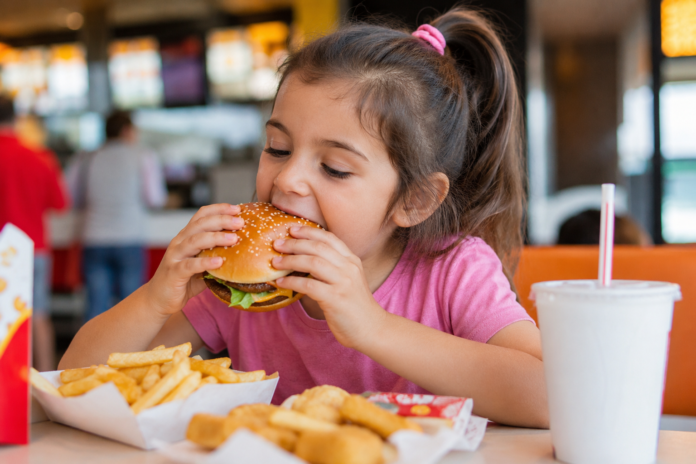
Excessive consumption of junk food can lead to obesity, poor nutrition, weakened immunity, and many other health problems.
In today’s world, fast food, sugary drinks, and packaged snacks are becoming a regular part of children’s daily diet. As a result, there has been a noticeable increase in obesity, nutritional deficiencies, weakened immune systems, and other health-related issues among children.
Health experts say that instead of completely banning junk food, parents should gradually encourage children to develop healthier eating habits. According to experts, this change should begin with parents themselves. Children are quick to adopt the habits of their parents. If adults at home eat balanced meals, choose fresh fruits, vegetables, and home-cooked food, and avoid eating fast food frequently, children are more likely to follow the same healthy lifestyle.
Nutrition specialists also recommend that parents explain to children why healthy food is important rather than simply telling them what they cannot eat. Children should understand that nutritious food supports their growth and development, improves physical strength, enhances concentration in school, and provides the energy needed for sports and other activities. Taking children grocery shopping, allowing them to choose fruits and vegetables, or involving them in meal preparation can also increase their interest in healthy eating.
Keeping nutritious snacks readily available at home is another important step. When children feel hungry, they should have easy access to fresh fruits, yogurt, milk, nuts, salads, boiled corn, or healthy sandwiches. This reduces their temptation to choose chips, biscuits, or sugary soft drinks. Experts believe that when healthy alternatives are easily accessible, it becomes much easier to improve children’s eating habits.
Experts also emphasize that junk food does not have to be completely forbidden, but its consumption should be limited. If fast food, chocolates, and sugary beverages are always available at home, it becomes difficult for children to resist them. Therefore, these foods should only be offered occasionally and in moderation, while balanced, home-cooked meals should remain the foundation of a child’s daily diet.
A healthy lifestyle depends not only on a balanced diet but also on regular physical activity. Health professionals advise parents to limit their children’s screen time and encourage them to participate in outdoor games, cycling, walking, or other forms of exercise every day. Regular physical activity not only improves overall health but also helps reduce unnecessary snacking and unhealthy eating habits.
Experts conclude that if parents make gradual changes to their children’s diet with patience, consistency, and a positive attitude, children will slowly begin to accept healthy foods as part of their daily routine. These healthy habits can have lasting benefits for their overall well-being and future health.

